Snohomish Down Payment Assistance Programs You Can Use
Think buying in Snohomish requires 20 percent down? Not necessarily. With state, county, and nonprofit programs, many buyers bring far less to closing. If you are saving for a home or thought you were priced out, this guide shows the help that is actually available and how to qualify. Let’s dive in.
Most assistance comes as a second loan that is deferred. That means you do not make a monthly payment on the assistance. You repay it when you sell, refinance, transfer the home, or pay off the first mortgage. For example, a $15,000 deferred second can cover part of your down payment and closing costs now, then is due later when you move or refinance.
The Washington State Housing Finance Commission offers down payment help paired with its first mortgages. Many options are available through the Commission’s participating lenders. You take a homebuyer class, then the lender pairs you with the best program for your file. Review program types on the Commission’s down payment assistance page.
Key points:
Local funds can be larger but are limited. HomeSight lists a Snohomish County down payment program up to $50,000, typically a deferred second with a low fixed rate and a long term. Education and counseling are required, and income and purchase price caps apply. See current details on HomeSight’s purchase assistance page.
County-administered funds rely on annual budgets and awards. At times, funds are paused or fully allocated, then reopen later. You can track background on the county’s HOME program on the Snohomish County site. Your lender or program administrator is the best real-time source for availability.
Some buyers qualify for targeted support. HomeSight manages additional pools for specific populations. Parkview Services offers pre-purchase counseling and disability-focused pathways. Shared-equity homes through Homes & Hope CLT can reduce upfront costs as well. Explore HomeSight, Parkview Services, and Homes & Hope Community Land Trust to see if these fit your situation.
Eligible veterans often qualify for zero-down financing. You may not need separate assistance, though some buyers combine options depending on program rules. Review typical scenarios in this DPA overview and confirm details with your lender.
USDA offers zero-down loans in eligible rural areas of Snohomish County. Property and income limits apply and must be verified by address. Start with USDA’s Washington program page and ask your lender to confirm eligibility.
Sometimes. You may be able to pair a county DPA with a WSHFC DPA or a special-purpose fund. Stacking depends on loan program rules, total loan limits, and compatibility. HomeSight and WSHFC outline allowable combinations, and your participating lender will confirm what is possible for your file. Begin your research on HomeSight’s program page and the Commission’s DPA hub.
You are likely closer to homeownership than you think. If you want a clear plan for using assistance and writing a competitive offer in Snohomish, reach out to Becca Locke for local guidance and next steps.
Lifestyle
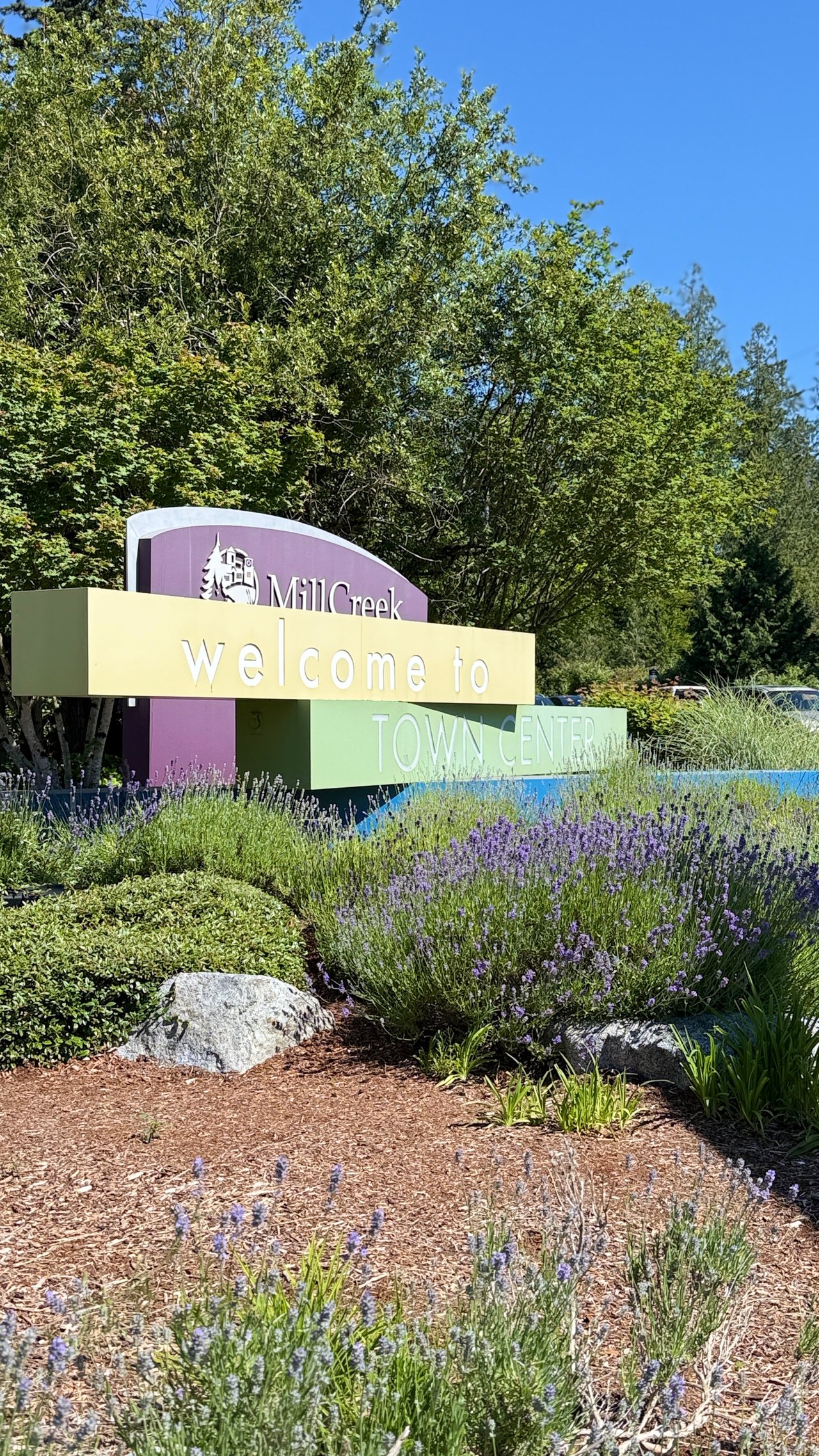
A Mill Creek Agent's Guide to Understanding What Your Home Is Worth Today.

Real Estate

Real Estate
Whether you're buying your first home, selling the one you've outgrown, or relocating to the Snohomish County area, you deserve an advisor who knows this market from the inside out. I've lived in Mill Creek for 13 years, sold 500+ homes across the greater Puget Sound region, and built a practice around one thing: making sure my clients make confident, informed decisions. Whether you're a first-time buyer navigating a competitive Snohomish County market, a homeowner ready to sell and move on, or relocating to the Pacific Northwest and trying to figure out where to land, I bring the same thing to every situation: deep local knowledge, honest guidance, and a process that keeps you informed from start to finish.