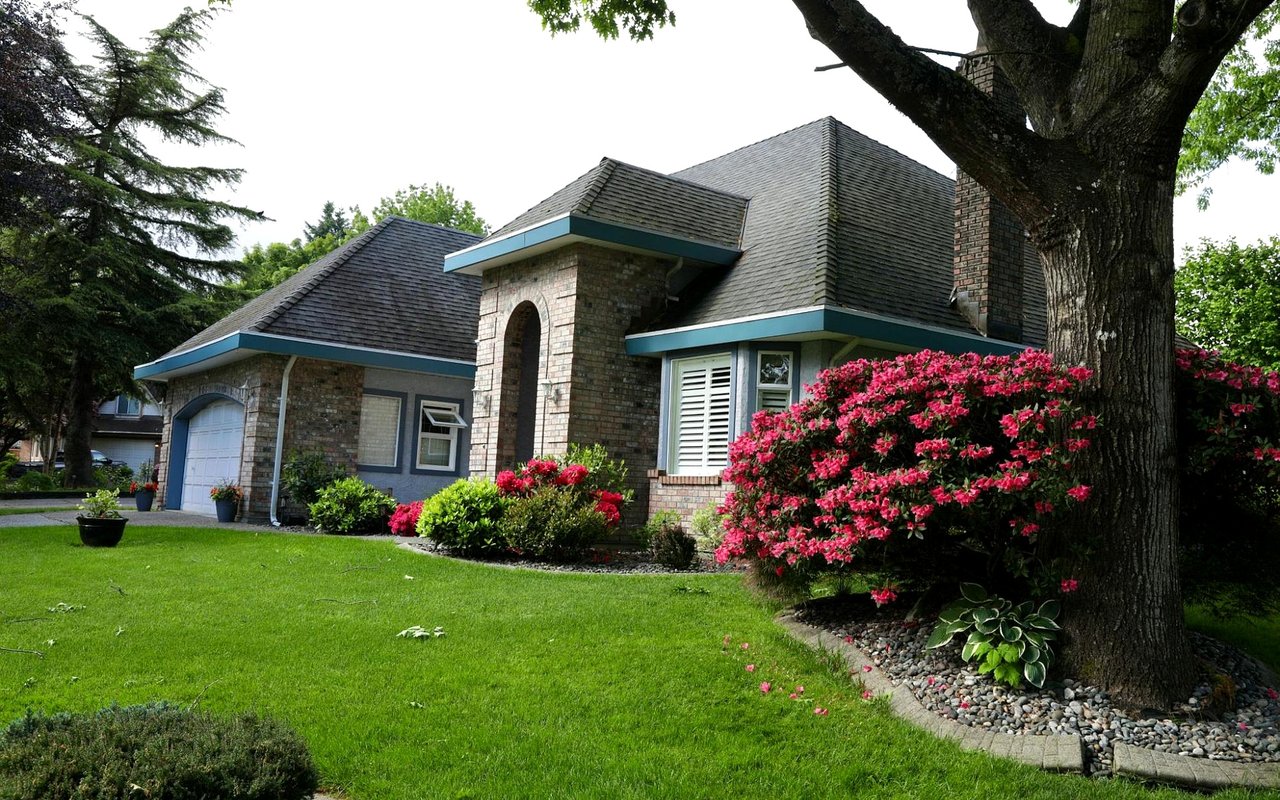
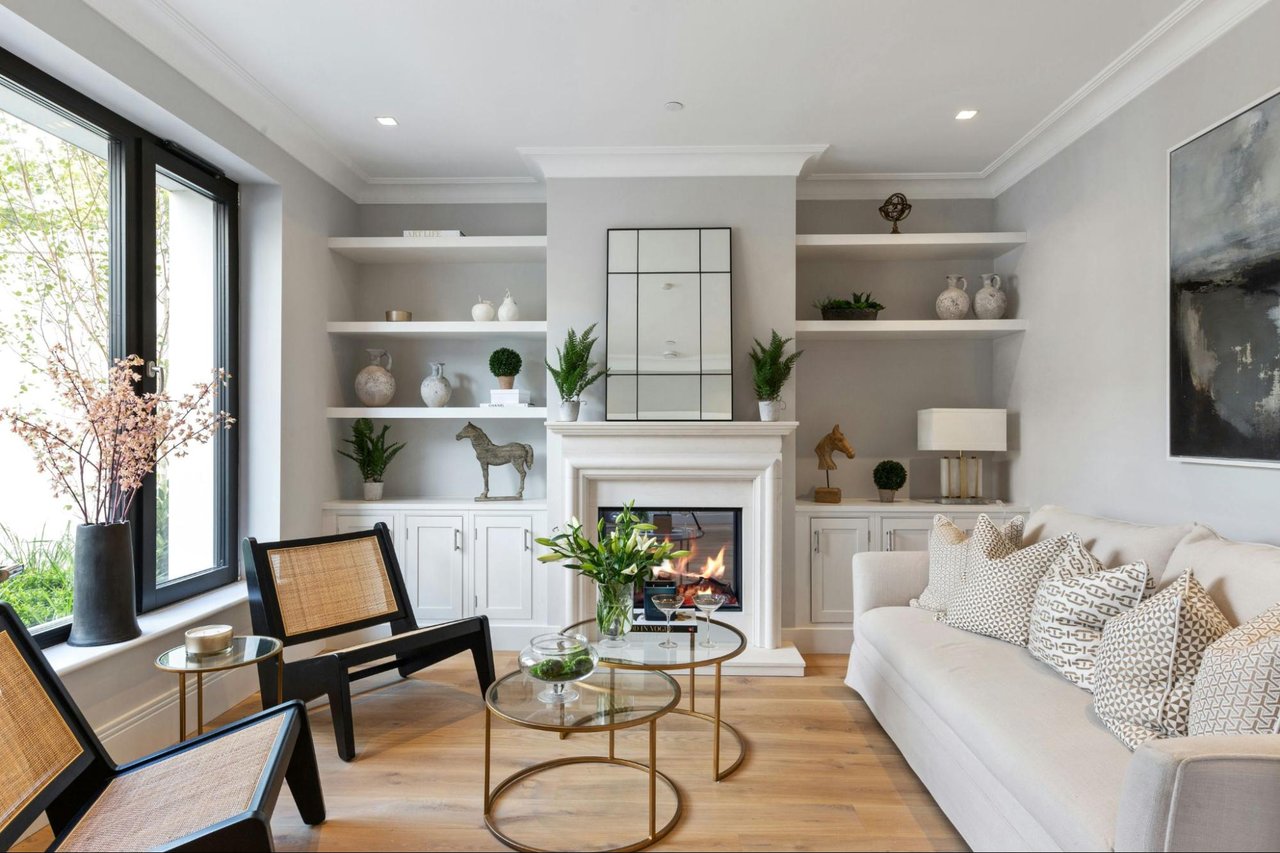
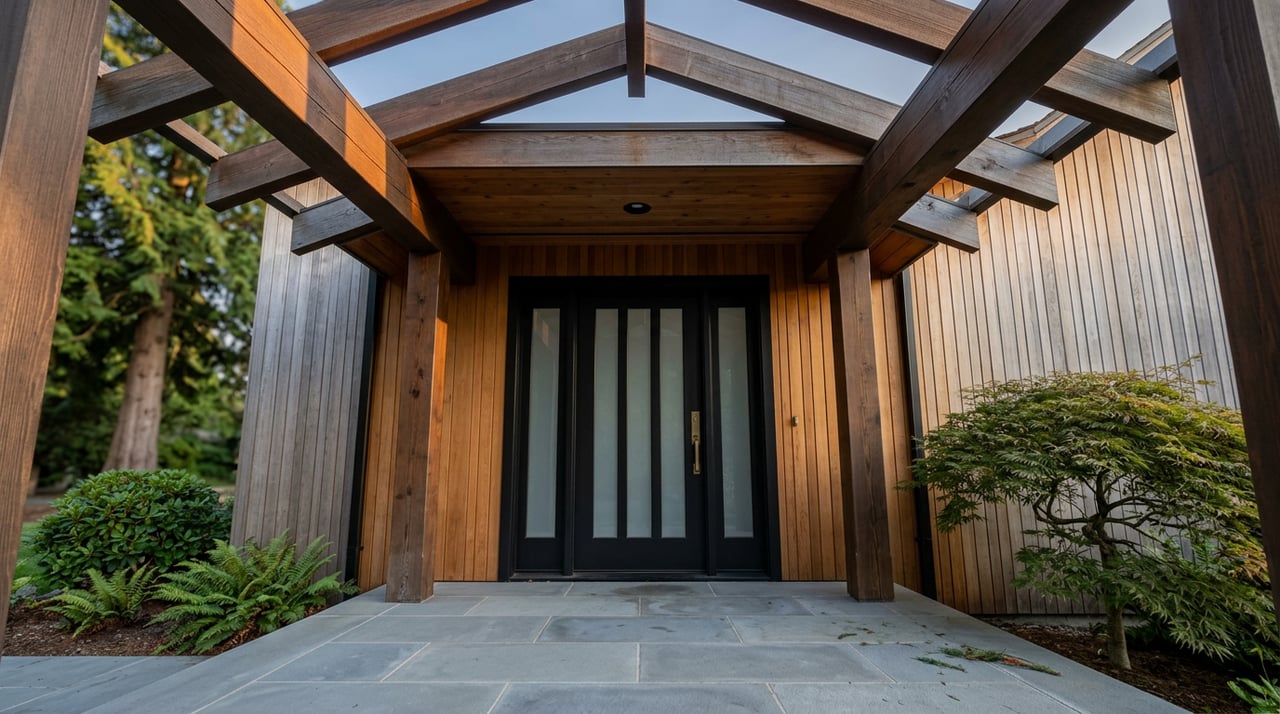
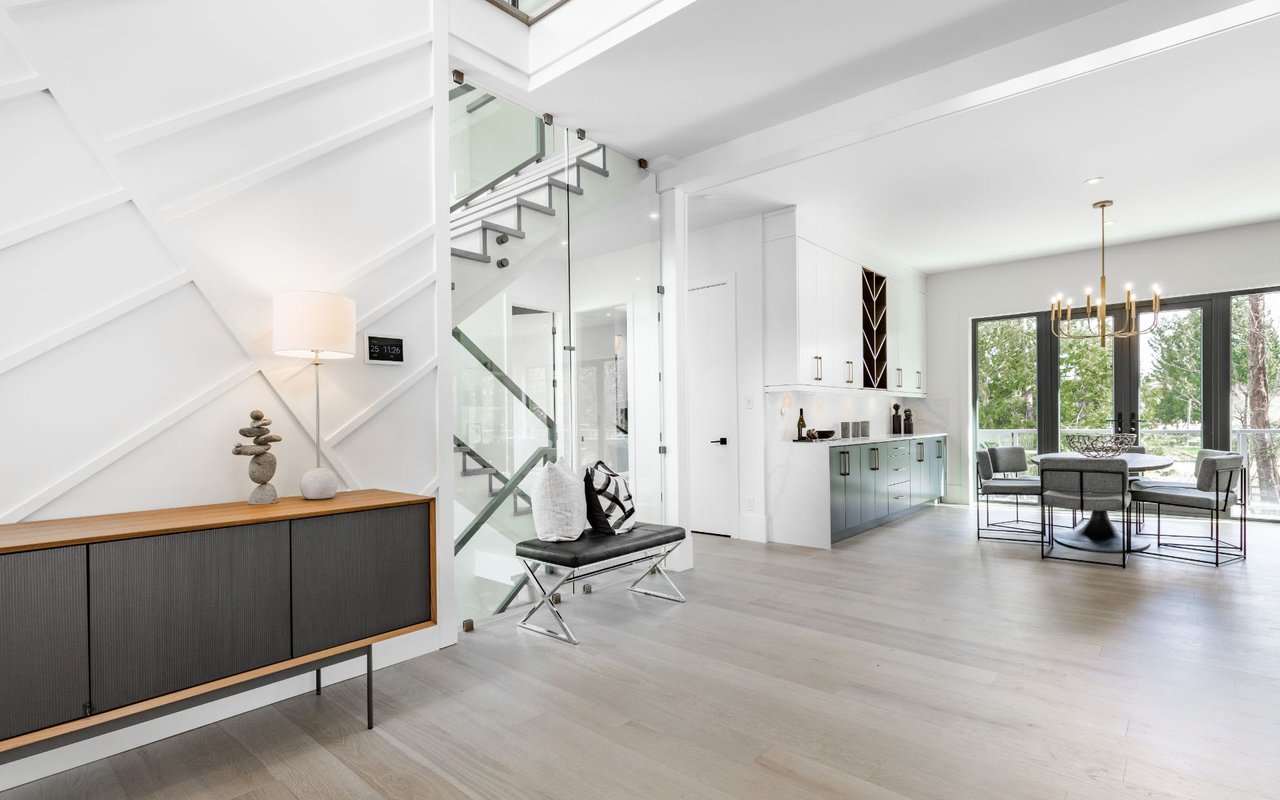
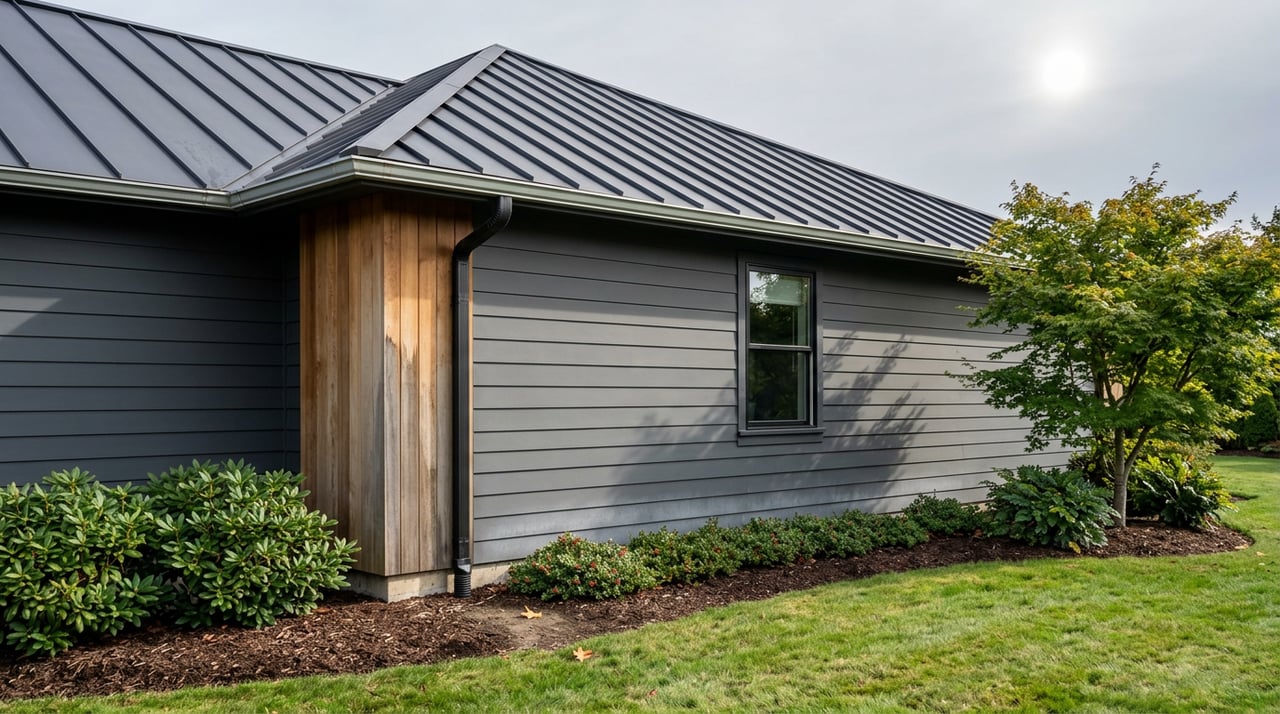
Thinking about listing your historic Snohomish home but not sure where to start? You want to protect your home’s character, avoid last‑minute surprises, and make buyers feel confident. With a little preparation, you can do all three while keeping your timeline and stress in check. This guide gives you a clear pre‑list checklist tailored to Snohomish so you can move forward with confidence. Let’s dive in.
Confirm historic status and rules
Before you plan repairs or updates, confirm exactly how your home is designated and which rules apply.
- Check local designation. Contact the City of Snohomish Planning or Historic Preservation staff to see if your home is in a locally regulated district and to get the current design guidelines and approval process. Start with the city’s planning and historic preservation resources found on the City of Snohomish website.
- Check state and national listings. The Washington State Department of Archaeology & Historic Preservation (DAHP) can confirm State or National Register status and share incentive options. Visit DAHP’s site for listing information and resources.
- Understand what listings mean. Local designation typically controls exterior changes that are visible from the street. State and National Register listings mostly provide recognition and possible incentives. Many projects follow the Secretary of the Interior’s Standards for Rehabilitation as a best‑practice guide.
- Know that permits still apply. Any work affecting structure, electrical, plumbing, or mechanical systems generally needs permits and final inspections regardless of historic status.
Set expectations early. If a buyer asks, “Can I replace these windows?” you will be ready to explain the local design review process and timeline.
Assemble your document packet
A complete, well‑organized packet builds trust and can reduce concessions later. Start gathering:
- Core property records: current deed and legal description, recent title report or title company contact, tax parcel number, and assessor information. You can verify parcel details through Snohomish County’s official sites.
- Permits and approvals: building, electrical, plumbing, mechanical, and demolition permits with final sign‑offs. Include any city design approvals for exterior work, such as Certificates of Approval or similar paperwork.
- Historic documentation: plans, contractor invoices, before‑and‑after photos, and notes confirming work aligned with the Secretary’s Standards. Include any state tax credit applications or grant documents.
- Disclosures and environmental reports: lead‑based paint disclosure for pre‑1978 homes, plus any available lead inspections or risk assessments; asbestos survey and abatement documents if applicable; pest reports; chimney inspections; septic records; and floodplain or shoreline notices where relevant.
- Historic features and materials: photos of period details, paint color records, millwork or window schedules, and any original or later renovation plans.
- Maintenance and warranties: service records for HVAC, roof, and major systems, plus any transferable warranties.
- Title and restrictions: easements, preservation easements or covenants, and any HOA or local business district rules that affect exteriors or signage.
Organizing these materials now makes inspection responses faster and helps buyers and lenders feel comfortable.
Lead paint and key federal requirements
If your home was built before 1978, you must provide buyers with the federal EPA/HUD lead‑based paint disclosure. Include any reports you have, such as inspections or risk assessments.
- Review the basics at the EPA’s lead information page.
- See buyer‑seller disclosure guidance through HUD’s lead resources.
- If you plan to hire contractors for prep work, verify they follow EPA Renovation, Repair and Painting (RRP) rules for pre‑1978 homes.
This step is mandatory and helps set a transparent tone for the transaction.
Prioritize exterior and character features
Preservation best practices follow a simple order: repair first, then replace in kind if needed. Document what you do and why.
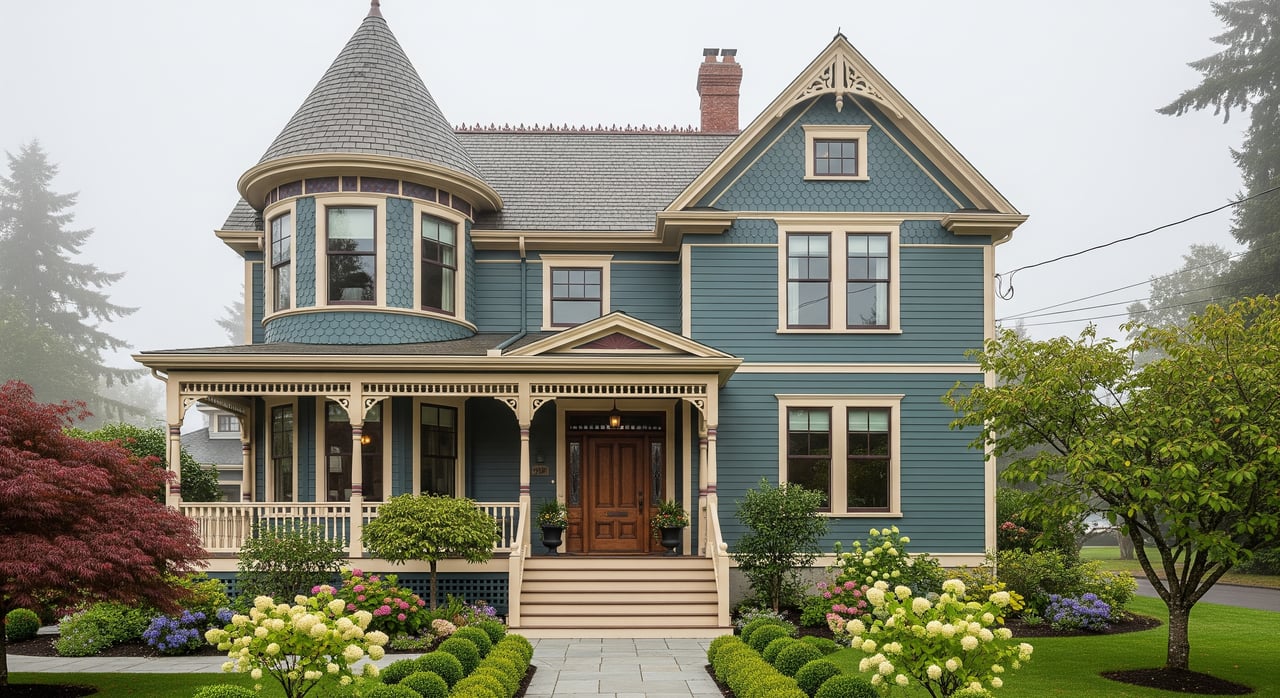
- Siding, trim, and masonry: Look for rot, moisture intrusion, and failing caulk. Use in‑kind wood repairs with matching profiles. For masonry, note the mortar composition. Many historic brick walls need lime‑based mortar rather than hard Portland‑cement mixes.
- Windows and doors: Repair original sash, glazing, and hardware when possible. Weatherstripping and sash cord replacements can improve performance while preserving appearance. If windows were already replaced, compile permits and product details that show appropriate profiles and muntin patterns.
- Roofing and eaves: Verify roof materials fit the home’s character and that cornices, eaves, and gutters are sound. Historic ogee gutters and similar visible elements are part of the home’s look.
- Porches and foundations: Stabilize porch foundations, floors, railings, and posts with in‑kind materials. Meet safety standards without altering character‑defining details.
- Paint and color: Some jurisdictions review prominent color changes. Keep records of color chips and paint brands used on exteriors.
- Landscaping and hardscape: Maintain historic garden patterns if present. Repair brick or stone walkways with compatible methods. If you have heritage trees, an arborist’s assessment can help buyers plan maintenance.
- Visibility of utilities: Place HVAC units, meters, and satellite dishes where they are not front‑and‑center. Document screening solutions that respect the home’s look.
Focus on visible, character‑defining elements. Clean, well‑maintained exteriors support value and attract preservation‑minded buyers.
Plan pre‑listing inspections
Targeted inspections help you decide what to fix now, what to disclose, and how to price.
- General home inspection: Choose an inspector experienced with older homes, including settlement patterns, older electrical systems, and legacy plumbing.
- Chimney and fireplace: Request flue integrity and creosote checks.
- Electrical and plumbing: Have licensed trades confirm permit history and flag code items.
- Pest and wood‑destroying organisms: Early treatment plans reduce buyer worry.
- Lead and asbestos: If prior work lacks documentation, a targeted survey can clarify scope for safe future repairs.
- Structural engineer: If you see uneven floors, cracks, or sagging support members, get a professional opinion.
- Arborist: Assess significant trees that may have protections or maintenance needs.
Collect written estimates with scopes that distinguish preservation‑oriented repairs from modern replacements. Include licenses, insurance, references, and any warranties.
Understand design review and timing
If your home is in a local historic district, exterior changes may require approval before work begins. The process and jargon vary by city, so ask for the exact steps and forms.
- Start by requesting the district design guidelines and approval timeline from the City of Snohomish’s historic preservation resources. Clarify what qualifies as routine maintenance versus a reviewed alteration.
- Expect that materials, profiles, and placement of features like windows, doors, and porches may face extra scrutiny.
- Build in time. Design review and permits can add several weeks or longer, depending on board schedules and the scope of work.
If you plan pre‑list touch‑ups, begin the approval process early so you do not bottleneck your timeline.
Anticipate buyer questions
Buyers tend to ask the same core questions for historic homes. Prepare clear answers and documentation.
- Can I change windows, roofing, or the porch? Summarize how local design review works, what is commonly allowed, and typical timelines. Point buyers to city guidelines for clarity.
- Are previous alterations permitted and code‑compliant? Provide permits and final inspections. If work was unpermitted, share what you know and any steps you have taken to remedy it.
- Are there easements or preservation covenants? Include copies and contact information for the easement holder.
Transparent, complete answers reduce uncertainty and can protect your net proceeds.
Price and project strategy
Historic‑appropriate repairs often cost more than off‑the‑shelf replacements because they rely on skilled labor and custom materials. Use your inspections and vendor estimates to decide whether to complete work now or disclose and price accordingly.
- Completing select repairs pre‑listing can expand your buyer pool and support a higher asking price.
- Disclosing known issues, sharing estimates, and reflecting costs in pricing can keep momentum and reduce negotiation friction.
- Documented, permitted work builds appraisal confidence and can help lenders clear conditions.
There is no single right path. Choose the approach that best fits your timeline, budget, and goals.
Where to find credible guidance
Lean on official resources to verify requirements and learn best practices.
Your pre‑list checklist
Use this quick reference to organize your next steps:
- Confirm designation: verify local district status with the City of Snohomish and request design guidelines and review timelines.
- Build the document packet: deed, title, permits and closeouts, design approvals, historic documentation, environmental reports, system service records, warranties, and any easements or covenants.
- Order targeted inspections: general home, chimney, pest, electrical/plumbing, lead/asbestos as needed, structural engineer for visible concerns, and arborist for significant trees.
- Prioritize repairs: stabilize character‑defining features like windows, porches, masonry, roofs, and gutters. Plan in‑kind repairs and gather permits where required.
- Vet vendors: select trades with historic experience; collect written scopes, timelines, licenses, insurance, and warranties.
- Prepare disclosures: note any unpermitted work, outstanding issues, or easements; provide copies to buyers early.
Ready to list with confidence
With a clear plan, you can honor your home’s history while protecting your bottom line. If you want help prioritizing repairs, pricing strategy, and vendor introductions, reach out for a calm, step‑by‑step plan tailored to your timeline.
Looking for a local, high‑touch approach from a seasoned advisor who knows Snohomish and the surrounding corridor? Let’s talk about your goals and build a predictable path to market.
FAQs
What does local historic designation mean for Snohomish sellers?
How do state or national listings affect a sale in Snohomish?
- State and National Register listings mostly provide recognition and access to incentives. Routine alteration controls usually come from local designation. Learn more at DAHP and the National Park Service standards.
What must I disclose about lead‑based paint for a pre‑1978 home?
Do I need permits for window or porch work before listing?
- Structural, electrical, plumbing, and mechanical work typically needs permits, and many exterior changes in a local historic district require design approval. Confirm specifics with the City of Snohomish before starting work.
Should I repair or replace original windows before selling?
- Repair usually comes first. Many buyers and design reviewers prefer restored historic windows. If replacement is necessary, use in‑kind materials and profiles and document permits and approvals in your listing packet.