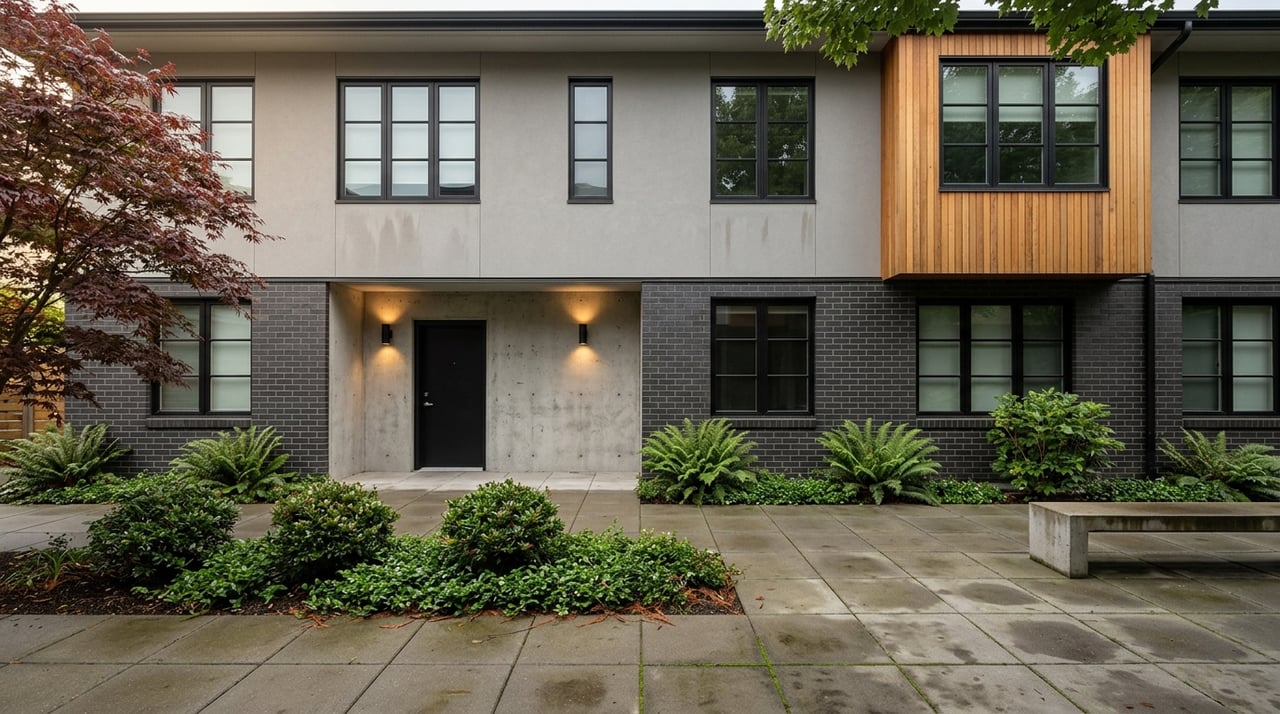
Mill Creek Condo And Townhome Buying Guide
Buying a condo or townhome in Mill Creek can look simple on the surface, but the real story is often in the HOA documents, reserve funding, and shared rules that come with attached-home ownership. If you are drawn to Mill Creek for its lower-maintenance lifestyle, convenient Town Center, or range of price points, you are not alone. This guide will help you understand what matters most before you buy, so you can make a confident decision in a competitive market. Let’s dive in.
Mill Creek has long been a natural fit for condo and townhome buyers. The city was originally developed as a golf-course community, and today it still appeals to people who want a more manageable homeownership experience with access to parks, trails, and everyday conveniences.
The city has nearly 21,000 residents, 11 parks and trails, and the Mill Creek Town Center with more than 80 shops, restaurants, and services. For many buyers, that mix creates a practical lifestyle that blends convenience with lower day-to-day exterior upkeep.
Mill Creek’s attached-home options also cover a broad price range. As of early June 2026, Redfin shows townhouses for sale at a median listing price of $673,000, while condo listings range from about $337,900 to $925,000 depending on size, location, and amenities.
Mill Creek remains a competitive housing market. Redfin reports a median sale price of $937,016 over the last three months, homes moving in about 8 days on market, and roughly 2 offers on average.
That matters if you are shopping for a condo or townhome here. Even when attached homes offer a lower entry point than many detached houses, you still need to be prepared to move quickly and review the right documents early.
In Mill Creek, value is not based on square footage alone. Buyers often compare features like private balconies, fitness centers, pools, community parks, secure garages, 2-car garages, and storage. Parking and storage can have a real impact on both daily life and resale appeal.
In Washington, the legal structure of the property matters just as much as how it looks from the street. A home may look like a traditional townhouse, but your ownership rights and obligations depend on the governing documents, recorded declaration, bylaws, and rules.
That is why you should avoid assuming a townhome works just like a detached house. Condos and other common-interest communities are governed by Washington statutes as well as the association’s own documents, and those documents can affect maintenance duties, fees, insurance, and how decisions are made.
The lifestyle tradeoff is usually clear. You may have less exterior maintenance to handle yourself, but you also have more shared decision-making, more reliance on the association’s financial health, and more exposure to HOA rules and future assessments.
HOA dues are a major part of the budget for any condo or townhome purchase. In Washington, associations can budget for common expenses, reserve contributions, and special assessments, and some expenses may be allocated in specific ways if the declaration allows it.
That means your monthly dues may cover more than landscaping or shared exterior care. They can also support long-term repair planning, insurance costs, utilities in some communities, and maintenance of shared amenities.
Before you buy, ask a simple but important question: What is included, and what is not? A lower monthly due is not always better if the association is underfunding reserves or pushing likely costs into future special assessments.
Insurance is one of the most misunderstood parts of condo and townhome ownership. The Washington Insurance Commissioner explains that owners usually carry an HO-6 style policy, while the association carries a master policy for community property.
The key detail is how that master policy is structured. Depending on the governing documents, it may be all-in, all-in excluding improvements, or bare-walls, and that affects what you may need to insure personally.
You should also ask about the deductible and whether owners may be responsible for part of it in certain situations. This is one of those details that can have a real financial impact later, so it should never be treated as an afterthought.
If you remember one document in this process, make it the resale certificate. In Washington, the resale certificate is required to disclose a long list of important facts, including monthly assessments, unpaid assessments, special assessments, reserve amounts, financial statements, the current budget, insurance coverage, code violations, pending legal proceedings, and anticipated repair or replacement costs over 5% of the annual budget.
It also includes a clear warning to review the financial obligations, reserve study, and governing documents carefully. That warning is there for a reason. A beautiful unit can still come with risks that only show up in the paperwork.
Timing matters too. In Washington, the association generally has 10 days to provide the resale certificate, and buyers typically have a five-day cancellation right after first receiving it within the required timing window.
A reserve study helps you understand whether the association is planning responsibly for major future expenses. Under Washington law, many common-interest communities are required to have reserve studies, annual updates, and a visual site inspection by a reserve-study professional at least every third year.
The study should include reserve components, useful life, replacement costs, current reserve balances, funding plans, projected balances, and any special assessments that are already planned. In plain terms, it tells you whether the community appears ready for big-ticket items like roofs, siding, or other major repairs.
If there is no current reserve study, that is important too. Washington law requires a warning that insufficient reserves can force a special assessment for major maintenance, repair, or replacement.
In any attached-home purchase, the paperwork can feel overwhelming. The good news is that a few records often tell you most of what you need to know.
For a Mill Creek condo or townhome, focus first on these items:
These records often reveal the real health of the community. They can also show whether the association has been discussing roofs, siding, parking structures, water intrusion, litigation, code issues, or other major capital work.
Mill Creek buyers are often comparing similar floor plans across very different communities. That is why smart questions matter.
Bring this checklist with you as you review a condo or townhome opportunity:
These are not small details. In Mill Creek, where attached-home pricing spans from the mid-$300,000s into the mid-$900,000s, buyers are evaluating not just layout and finishes, but also governance quality and the risk of future costs.
Resale value in Mill Creek is shaped by more than interior updates. Buyers often care about how easy the home is to live in day to day, especially in a city that is considered minimally walkable overall.
That is one reason homes near Town Center or main corridors may stand out when they offer practical advantages. Features like individual garages, guest parking, storage, EV rules that are easy to understand, and convenient access to errands can make a real difference.
Shared amenities matter too, but only when they are well maintained and supported by the budget. A pool, fitness center, or community park can be a plus, but buyers should always weigh that against the dues and long-term reserve planning needed to support those amenities.
When you buy a condo, your financing is not always based only on your income and credit. Lenders may also review project-level information such as budgets, financial statements, reserve studies, and other details about the community.
That is why it helps to confirm early whether your lender is comfortable with the specific project. A strong unit in a community with financial or document issues may create financing hurdles that do not come up with a detached house.
In a competitive Mill Creek market, solving those questions early can help you write a cleaner, more confident offer. It can also reduce the chance of surprises later in the transaction.
If you are serious about buying a Mill Creek condo or townhome, the goal is not just to find a home you like. The goal is to find a community that fits your budget, lifestyle, and tolerance for shared ownership rules.
A strong strategy usually means comparing dues alongside reserves, reading the minutes before you feel emotionally committed, and looking closely at parking, storage, and maintenance responsibilities. It also means understanding that two homes with similar square footage can offer very different ownership experiences.
That is where calm, local guidance can make a big difference. In a market like Mill Creek, good buying decisions come from balancing value, documents, timing, and long-term livability.
If you want help comparing Mill Creek condo and townhome options with a practical eye on documents, resale, and day-to-day lifestyle, Becca Locke can help you move forward with clarity.

Real Estate

Downsizing Made Easy: A Clear Plan for Selling Your Mill Creek Home and Moving Into Less Space With More Freedom

Lakeside Parks, Trails, and Convenient Access for Homebuyers Who Want to Live Close to Mill Creek.

Inside Mill Creek Country Club and the Neighborhoods That Surround It, From a Local Real Estate Advisor.
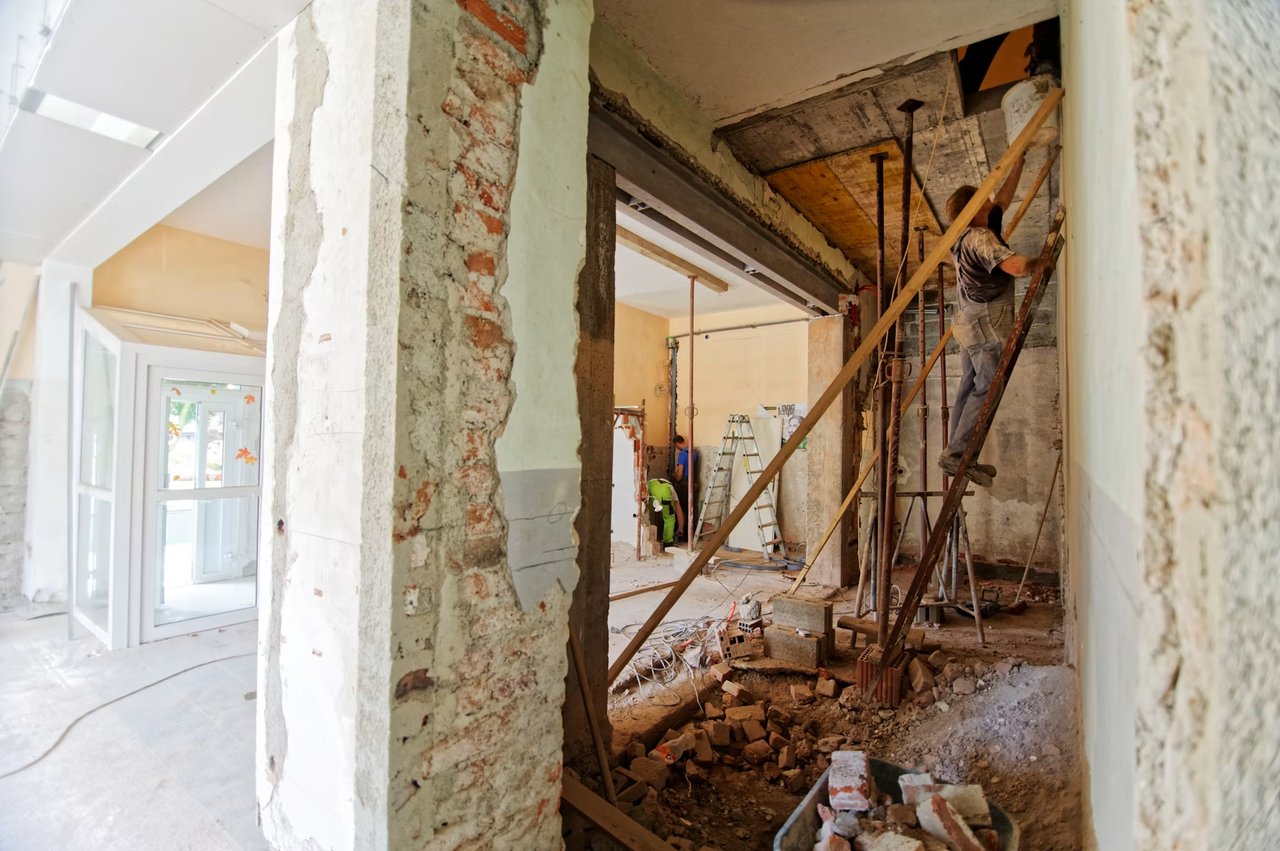
Smart Home Updates for Staying Comfortable in Your Mill Creek Home and Protecting Its Long-Term Value.

A Local Agent's Guide to Living in the Emerald Heights Neighborhood of Mill Creek.

Where to Find the Best Coffee in Mill Creek.
Whether you're buying your first home, selling the one you've outgrown, or relocating to the Snohomish County area, you deserve an advisor who knows this market from the inside out. I've lived in Mill Creek for 13 years, sold 500+ homes across the greater Puget Sound region, and built a practice around one thing: making sure my clients make confident, informed decisions. Whether you're a first-time buyer navigating a competitive Snohomish County market, a homeowner ready to sell and move on, or relocating to the Pacific Northwest and trying to figure out where to land, I bring the same thing to every situation: deep local knowledge, honest guidance, and a process that keeps you informed from start to finish.