Penny Creek Natural Area Looks Like a City Park. It Has Never Actually Been One.
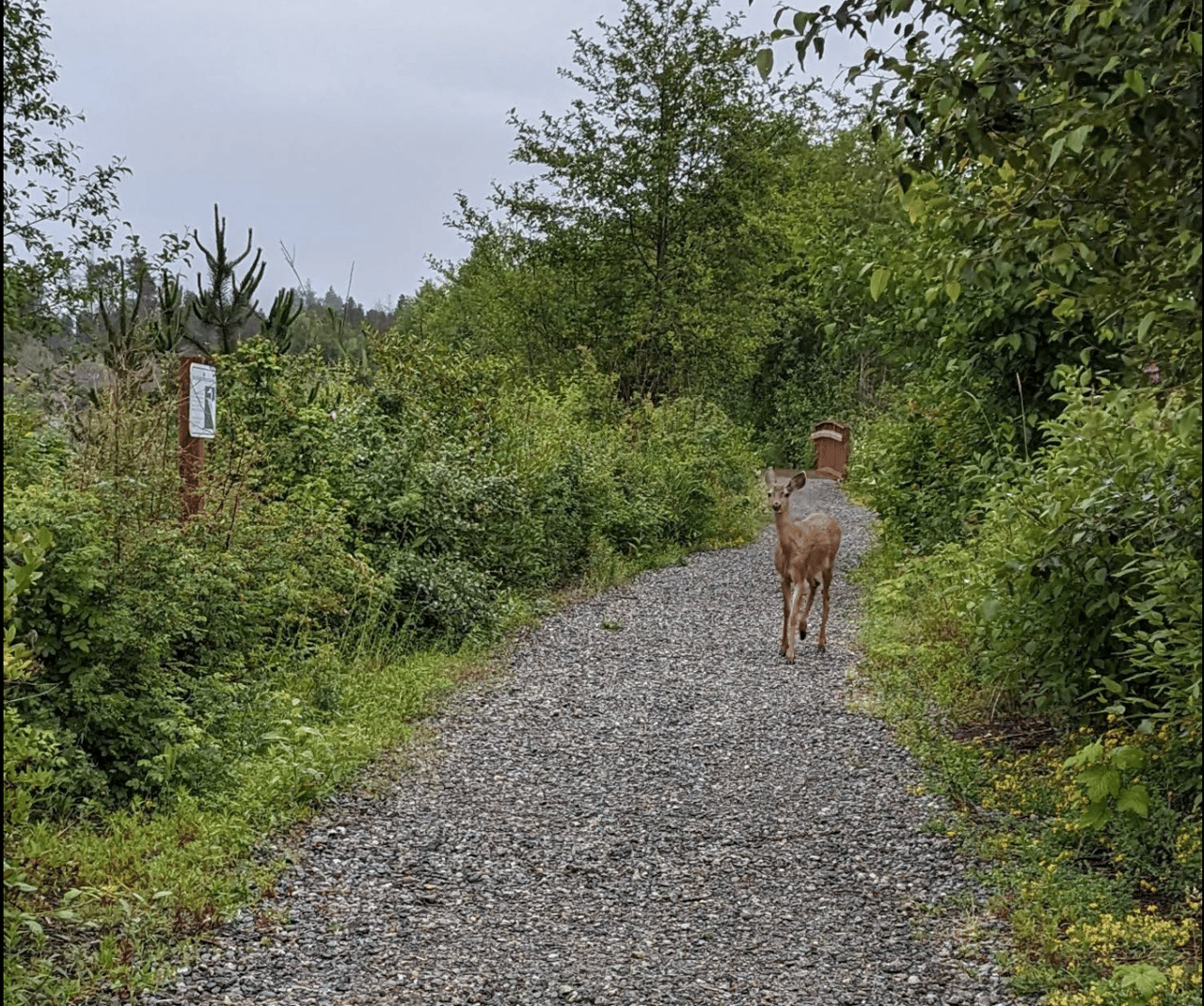
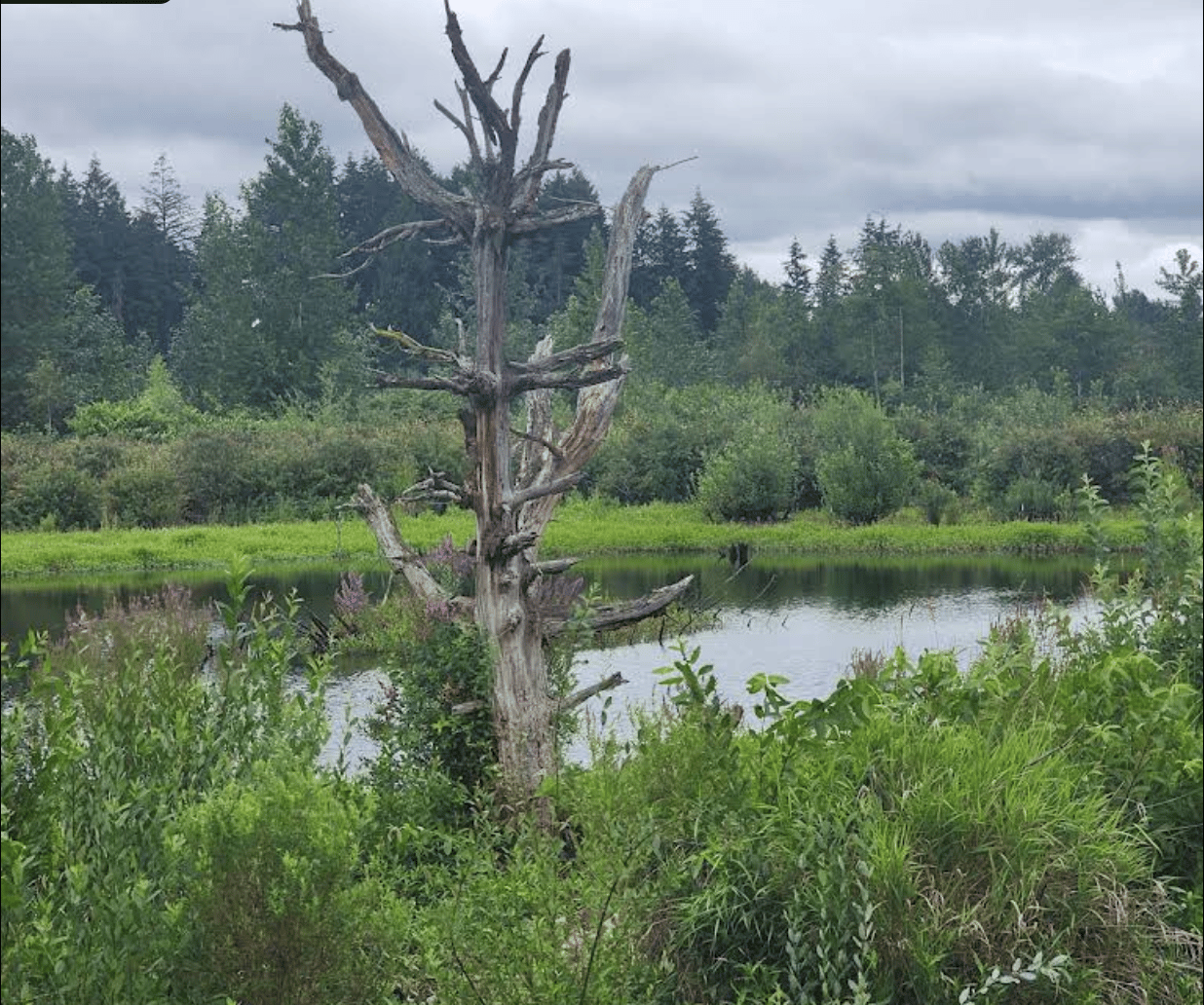
Walk the gravel loop off 35th Avenue Southeast on a weekday morning and you will probably see a great blue heron standing motionless at the pond's edge, or a stretch of alder gnawed to a pale point by beavers working the shoreline. Cormorants perch on downed logs. Fungi push up through the mulch along the path. Mill Creek resident Jeff Doan has described the feeling of stepping onto the trail as walking into another world, and anyone who has made the turn off the street and into the tree cover understands what he means.
What almost nobody walking that loop realizes is that Penny Creek Natural Area, 60 acres of wetland tucked between Seattle Hill Road and 132nd Street Southeast, has never been a city park. It looks like one. It functions like one. But the land belongs to a private apartment complex, and the only reason the public has been allowed to use it at all is a development agreement that expired last November and has not yet been replaced.
The story starts in 2019, when the developer behind The Farm by Vintage bought the property as part of its apartment project. In exchange for a reduced wetland buffer elsewhere on the site, the developer agreed to restore and maintain the 60 acres and keep it open to the public. That included improving soils, clearing invasive species, and planting native vegetation.
The agreement also contained a built-in expiration. Five years after every phase of the project received final approval, which landed in November 2025, the city gained the option to take ownership of the land at no cost. But the same clause cut the other way: if the city declined, the owner could close public access entirely.
That is the part most visitors never think about while they are watching otters move along the bank. Penny Creek has functioned as public land only because a private company chose to honor a legal deal, not because any government body ever designated it a park.
November 2025 passed without incident. The property stayed open, and Mill Creek Public Works Director Mike Todd confirmed the city and the property manager would spend 2026 sorting out whether the city would actually take the land, a process that was still underway as of a statement he gave in March.
That gap between the expired deadline and an actual decision is where the volunteer group Friends of the Penny Creek Natural Area has spent the past year doing the job nobody had officially assigned. The group started when Doan set a modest goal of 50 members after learning the area's future was uncertain. It has since grown past 250, running monthly cleanups and joining the city's Adopt-a-Street program to maintain the stretch of 35th Avenue next to the wetland. Doan has said the group has stepped in more than once when graffiti or off-roading showed up, coordinating with the property manager and police before the damage compounded.
That is not typical park maintenance. City parks have crews and budget lines. Penny Creek has had an online community turned volunteer group and a private landlord's goodwill.
On April 28, 2026, the Mill Creek City Council took its first real step toward changing that, voting 4 to 2 with one abstention to direct staff to begin drafting an acquisition agreement with the property owner.
Council Member | Vote | Stated Position |
|---|---|---|
Mayor Stephanie Vignal | Yes | Part of the majority that supported starting the acquisition process |
Mayor Pro Tem Melissa Duque | Yes | Part of the majority that supported starting the acquisition process |
Tannis Golebiewski | Yes | Part of the majority that supported starting the acquisition process |
Sean Paddock | Yes | Part of the majority that supported starting the acquisition process |
Connie Allison | No | Cited unresolved maintenance costs and possible tax impact |
Vince Cavaleri | No | Cited unresolved maintenance costs |
John Steckler | Abstain | Said he supports the idea in principle but wanted firmer numbers before voting yes |
One member of the majority framed the vote as a rare shot at keeping a patch of open space while nearby cities have already paved over theirs. The close margin is worth sitting with anyway, because the money involved is not as simple as the headline maintenance estimate suggests. Todd told the council the city would likely spend around $25,000 a year on upkeep, plus roughly $50,000 up front for cleanup and equipment including a small boat to pull debris from the water. That $25,000 figure is the number that tends to get repeated. But it sits next to another number that rarely gets mentioned in the same breath. The Farm by Vintage currently pays the city about $28,000 a year in property taxes, mostly tied to stormwater management on the parcel. If the city takes ownership, that tax revenue goes away at the same time the new maintenance line item appears, a combination Allison pointed to when she said she felt torn between wanting the land and worrying about the bill landing on residents who cannot absorb another cost increase.
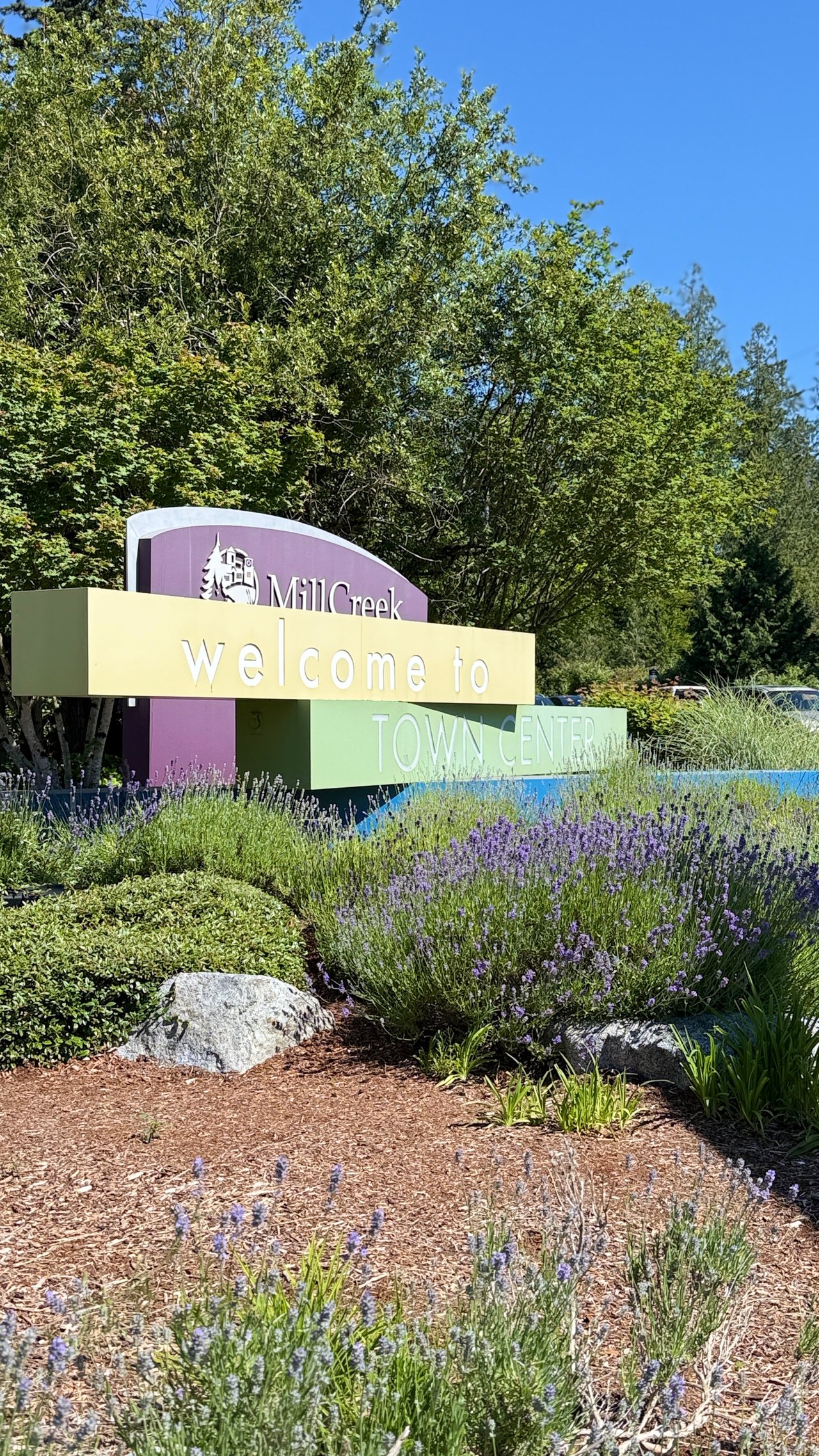
Todd told the council in April that the final agreement would come back for a vote sometime this summer, with the city formally taking ownership in January 2027 if it holds. At the city's State of the City address on May 20, held at The Forum at Mill Creek Town Center, Mayor Pro Tem Duque publicly recognized the Friends group again, and city staff confirmed they were still working through the long-term impacts of assuming the site.
That means the wetland you walk today sits in a genuinely open window. The developer has kept its word past the deadline it was legally allowed to walk away from. The council has signaled it wants the land but has not finished deciding how to pay for it. The volunteer group that has effectively run the place for a year has no formal authority to keep doing so once ownership changes hands, only the track record that got it recognized from a podium.
Practically, none of that changes what you will find on the ground this month. The path is gravel, circles the largest pond, and is not an easy walk for anyone using a wheelchair or a stroller with small wheels. The water beneath Penny Creek eventually threads through the Mill Creek Country Club golf course and the Mill Creek Community Association Nature Reserve before passing under the Bothell-Everett Highway and joining North Creek, the same watershed that feeds the trail covered in our guide to the North Creek Trail. A fish-passable culvert replacement is scheduled for that highway crossing by 2027, part of the same broader effort to keep the watershed healthy that has kept Penny Creek's advocates showing up to council meetings for the past year.
If you have lived in Mill Creek for a while and never made the turn onto that gravel path off 35th, this is the year the story behind it is actually being decided. Worth seeing it while the arrangement that made it possible is still the same one that has held since 2019.
If you are curious about other corners of Mill Creek that carry more history than they let on, Becca Locke has spent two decades walking this corridor alongside her clients and neighbors. Start Your Search whenever you are ready to see what else the neighborhood has been quietly working out.
Lifestyle
A Mill Creek Agent's Guide to Understanding What Your Home Is Worth Today.

Real Estate

Real Estate
Whether you're buying your first home, selling the one you've outgrown, or relocating to the Snohomish County area, you deserve an advisor who knows this market from the inside out. I've lived in Mill Creek for 13 years, sold 500+ homes across the greater Puget Sound region, and built a practice around one thing: making sure my clients make confident, informed decisions. Whether you're a first-time buyer navigating a competitive Snohomish County market, a homeowner ready to sell and move on, or relocating to the Pacific Northwest and trying to figure out where to land, I bring the same thing to every situation: deep local knowledge, honest guidance, and a process that keeps you informed from start to finish.