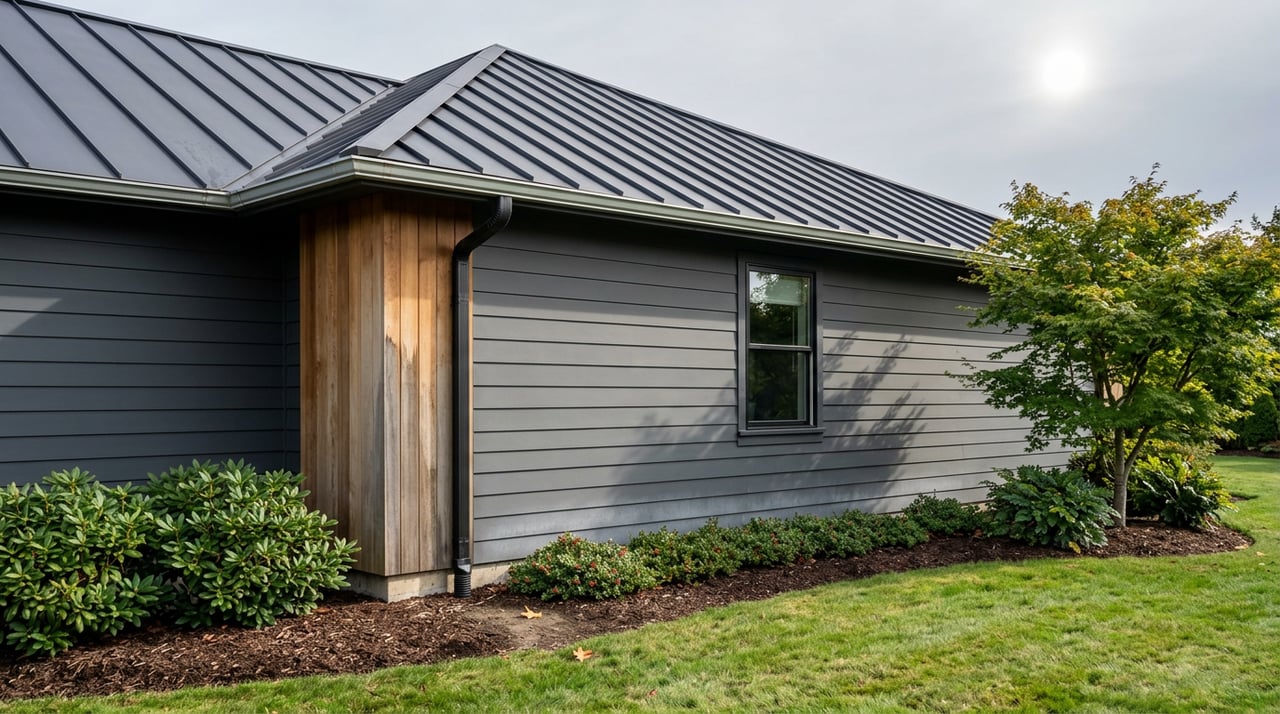
Your Mill Creek Renovation Needs Two Sign-Offs. Most Homeowners Only Know About One.
You pull a permit from the City of Mill Creek. Your contractor builds to code. The inspector signs off. As far as the city is concerned, the deck, the reroof, the new siding is done and legal.
That is where a lot of Mill Creek homeowners stop, and it is exactly where a second, entirely separate approval process may still be waiting. Depending on which side of which street your house sits on, a private association you may have never contacted has its own rulebook for the same project, its own committee that reviews it, and its own timeline that has nothing to do with the city's. Skip that step and the problem does not surface right away. It surfaces later, usually when you list the house.
The city permit process is the same for every address in Mill Creek. It is public record, the rules are published, and any homeowner can look them up. The second approval is not like that at all. It lives inside a homeowners association, and Mill Creek does not have one HOA. It has dozens, each with its own boundaries, its own board, and its own architectural committee, and none of them are required to agree with each other.
The Mill Creek Community Association, known locally as MCCA, states plainly on its own site that nearly every visible exterior change to a home requires an Architectural Control Committee application before work begins, and separately notes that many of those same projects also require a City of Mill Creek permit. Those are two different approvals, reviewed by two different bodies, on two different clocks. MCCA's own FAQ page even fields the exact question homeowners keep asking: if a contractor already has a city permit to reroof with an association-approved material, is a separate sign-off from the HOA still required? The fact that the association felt the need to answer that question tells you how often people assume the permit is the whole story.
MCCA began in 1974 as a planned residential development in what was then unincorporated Snohomish County, and it became part of the City of Mill Creek when the city incorporated in 1983. Today it covers roughly 48 residential divisions across single-family homes, townhomes, condos, and apartments. That is the largest and most recognized association in town, and it is easy to assume it covers everyone.
It does not. MCCA's own residential divisions page names the neighborhoods that sit inside city limits but pay no MCCA dues and follow no MCCA rules at all, including Parkside, The Parks, The Reserve, The Vineyards, Brighton, Heatherwood West, Highlands, Highland Trails, Northpointe, Penny Creek Estates, Stonehedge, The Auguston, The Hawthorne, and the homes around Webster's Pond. Several of those run their own independent associations with their own architectural review, which means two houses a few blocks apart can face completely different rules for the identical project.
Here is what that looks like in practice for three of the associations with published processes:
| Association | Coverage | Approval Required Before Work Starts | Distinctive Requirement |
|---|---|---|---|
| MCCA | 48 divisions citywide | Yes, ACC application for nearly all visible exterior work | Applications typically reviewed within two weeks, occasionally up to a month |
| Parkside | 79 single-family homes near Heron Park, within walking distance of the Mill Creek Tennis Club and Mill Creek Country Club | Yes, Architectural Committee review | Homeowners must prepare written plans and submit them to adjacent neighbors for comment before the committee will finalize approval, and should plan for at least three weeks |
| Mill Creek Highlands | 192 homes surrounding Highlands Park | Yes, ACC review for fences, decks, sheds, roofing, siding, window changes, lighting, and significant landscaping | Board and ACC positions are filled entirely by resident volunteers, with board meetings the second Monday of even-numbered months and an annual meeting each February |
Parkside adds one more wrinkle worth flagging on its own: removing a tree there requires approval not just from the Architectural Committee but from the full HOA board and the city, a two-layer sign-off that a homeowner planning a simple landscaping change could easily miss.
The city's rulebook is the same for every address in Mill Creek. The HOA's rulebook depends entirely on which side of an invisible line your house happens to sit.
These approval requirements are not a formality nobody enforces. MCCA's 2026 assessment is $766 a year for single-family homes, with townhomes billed at 75 percent of that rate and condos or apartments at 50 percent. Invoices go out in late May and are due by July 1. Miss that date and a Notice of Delinquency goes out on July 14 with a $10 administrative fee attached, followed by a 5 percent monthly late charge starting August 1, and the board can approve a lien on the property in October if the balance is still unpaid.
That same association is the one reviewing your deck plans, your reroof, your fence. A board willing to escalate a $766 bill to a lien within four months is not a board that treats architectural review as optional, and it is a reasonable signal that unapproved exterior work will not simply go unnoticed over time.
This is the part that matters most if you are thinking about selling rather than building. An addition, a reroof, or a fence that never went through the association's committee does not disappear once the work is finished. It sits there until someone asks about it, and someone will ask. Buyers' agents and title companies routinely request HOA resale certificates and copies of governing documents as part of a purchase, and an unresolved architectural violation or a modification that was never formally approved is exactly the kind of thing that surfaces in that paperwork.
For a seller, that turns a completed, functional renovation into an open question at the worst possible moment: during escrow, when a buyer's financing timeline is already ticking. For a buyer, it means a home that looks finished on a walkthrough may carry an association-level issue that has nothing to do with the inspection report. Either way, the fix is cheaper and calmer before the home is on the market than after an offer is already in hand.
Before you plan a renovation, or before you list a home where you are not certain past work was approved, it is worth confirming which association, if any, governs the property:
This is exactly the kind of detail that belongs in a listing consultation before a home goes to market, and it is worth revisiting early if you are weighing a renovation as part of a broader pricing strategy for a future sale.
Does every home in Mill Creek belong to an HOA? No. MCCA is the largest association in the city, but it explicitly excludes neighborhoods such as Parkside, The Reserve, Northpointe, and several others, some of which run their own separate associations.
If I already have a city permit, do I still need HOA approval? Based on MCCA's own guidance, generally yes. The association states that nearly every visible exterior change requires an ACC application, and treats that as a separate step from the city's permitting process rather than a substitute for it.
What if a previous owner did work without approval? It can become the current owner's problem, particularly at resale, since HOA resale certificates and governing document reviews are a standard part of the closing process for association-governed properties.
If you are weighing a renovation, prepping a home that has an unclear approval history, or trying to figure out which set of rules actually applies to a specific address, that is a conversation worth having before the contractor bid, not after. Becca Locke works these details into every listing and renovation conversation in Mill Creek, and if you are ready to look at homes or plan a project with the right rulebook in hand, Start Your Search today.
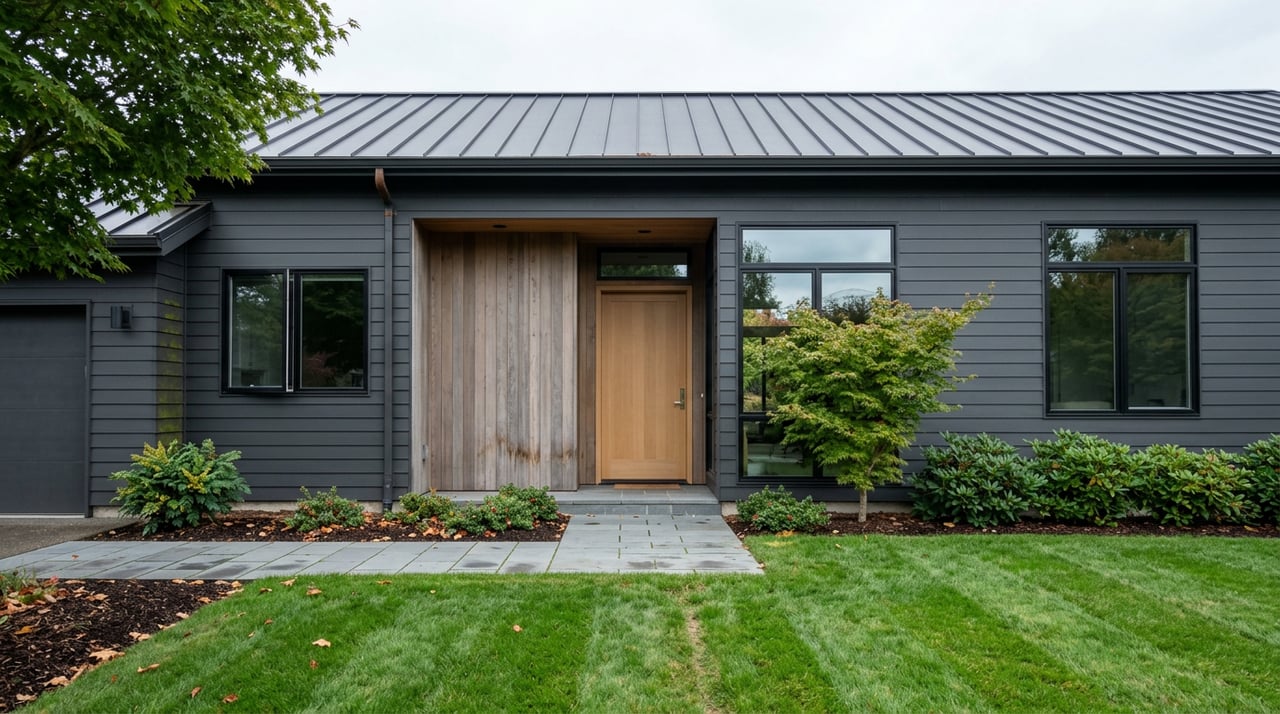

A Local's Guide to One of Mill Creek's Most Active Community Destinations.
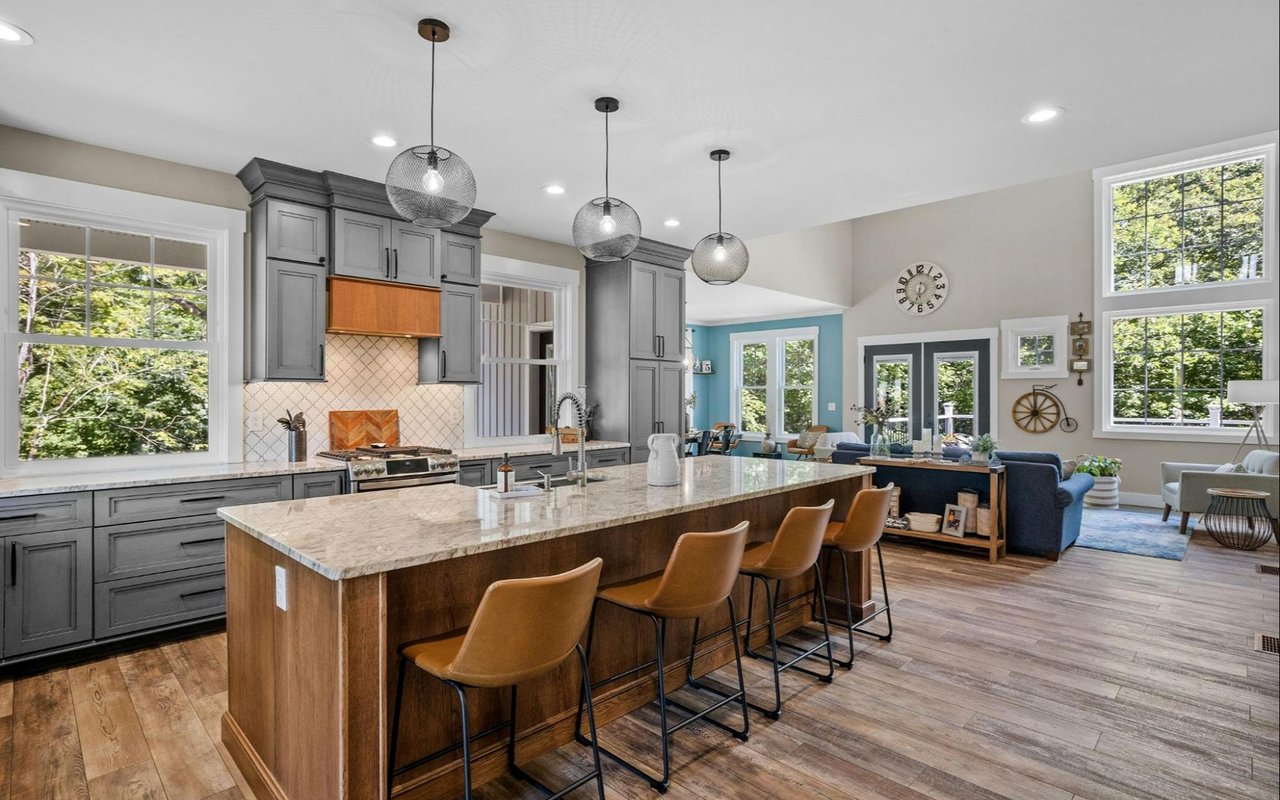
A Mill Creek Agent's Take on Where to Focus Your Time and Money Before Listing.

Lifestyle
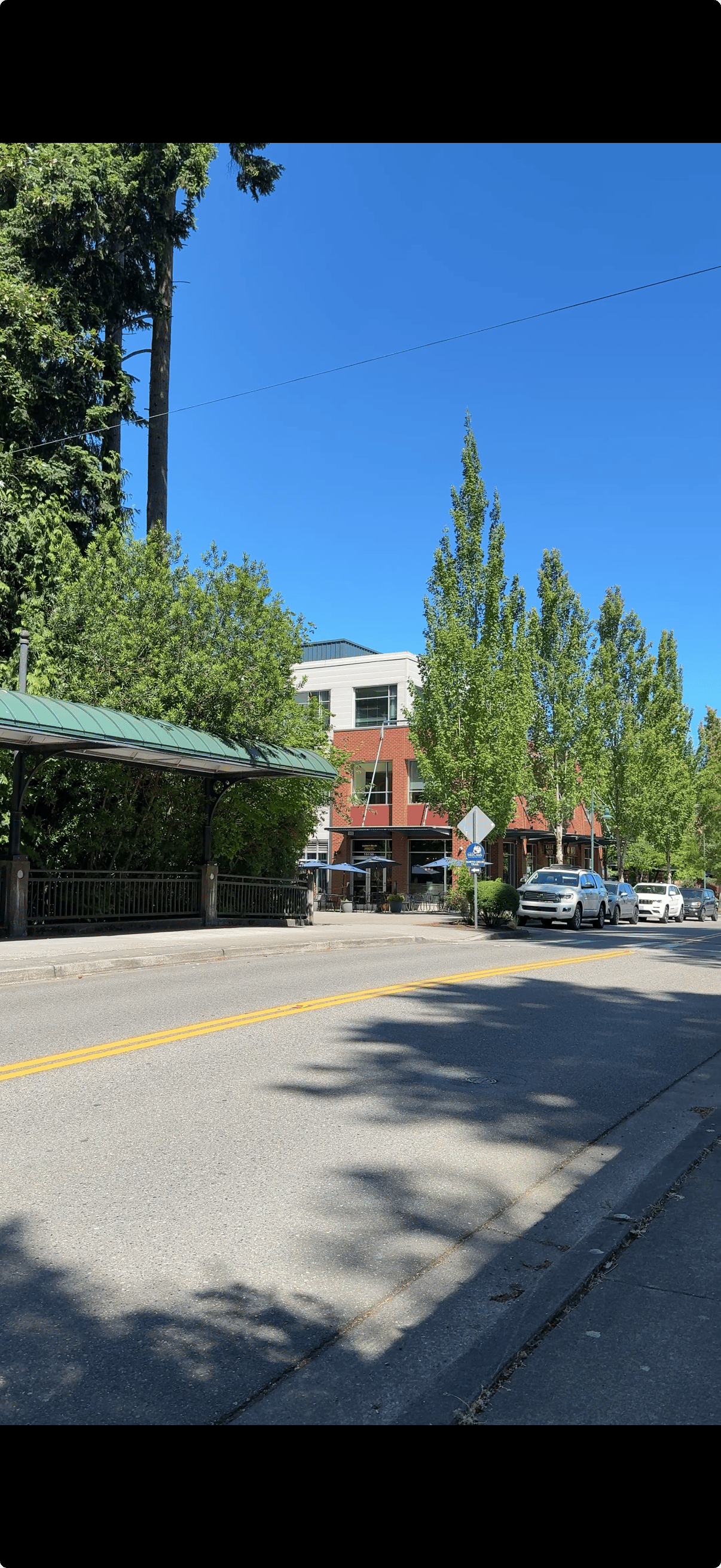
Lifestyle


Lifestyle
Whether you're buying your first home, selling the one you've outgrown, or relocating to the Snohomish County area, you deserve an advisor who knows this market from the inside out. I've lived in Mill Creek for 13 years, sold 500+ homes across the greater Puget Sound region, and built a practice around one thing: making sure my clients make confident, informed decisions. Whether you're a first-time buyer navigating a competitive Snohomish County market, a homeowner ready to sell and move on, or relocating to the Pacific Northwest and trying to figure out where to land, I bring the same thing to every situation: deep local knowledge, honest guidance, and a process that keeps you informed from start to finish.